Two ways to deal with a chimney that might fall
Owners in Lakewood who have watched a neighbor's stack come down in a quake usually ask the same thing: can mine be held up with steel, or does it need new brick? Both are real options. They solve different problems, and picking the wrong one either wastes money or leaves the risk where it was.
In short, steel helps a chimney that is still in one piece, and new brick replaces a chimney that is not. The rest of this page is about telling the two apart.
Why chimneys break where they do
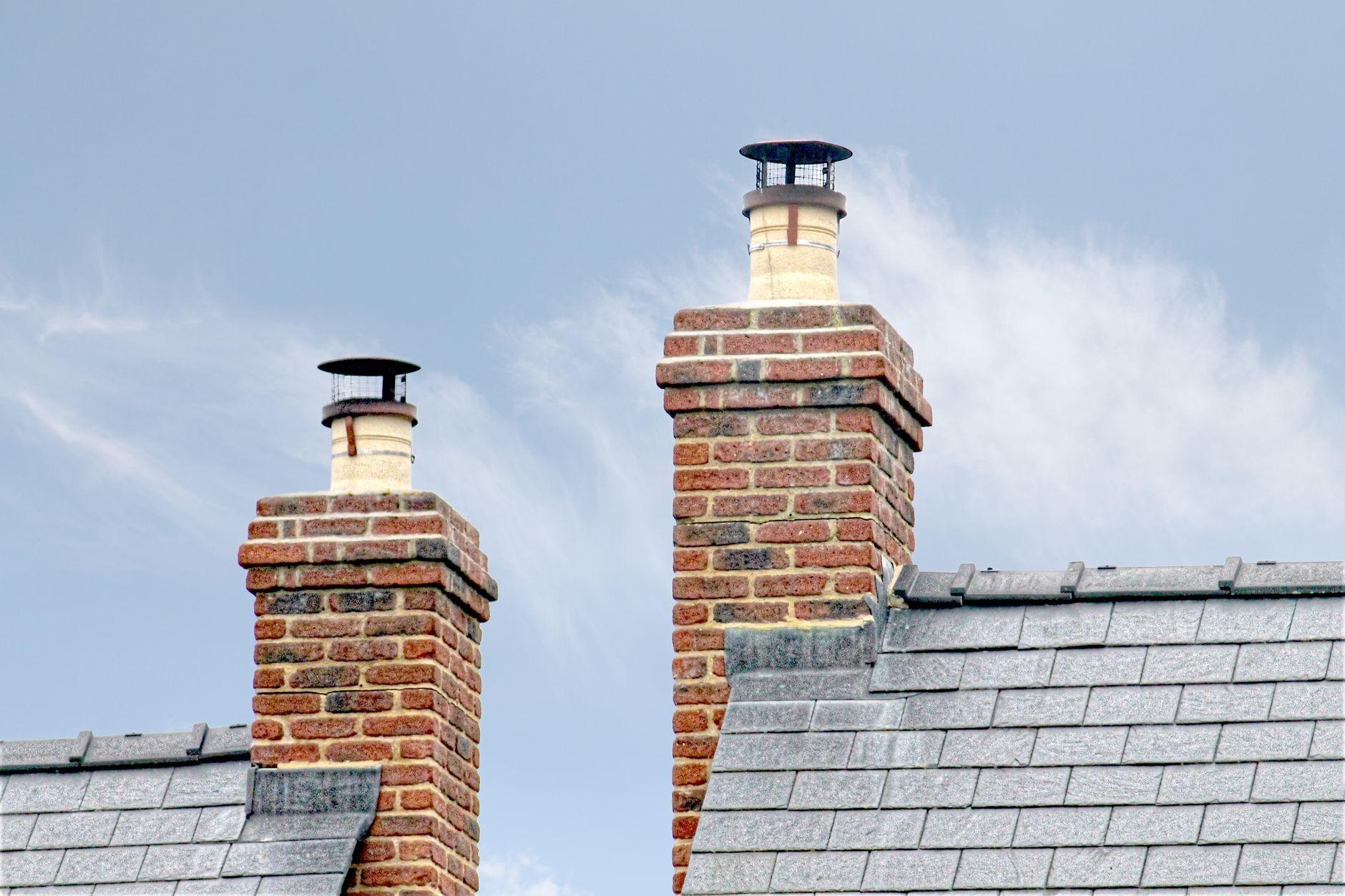
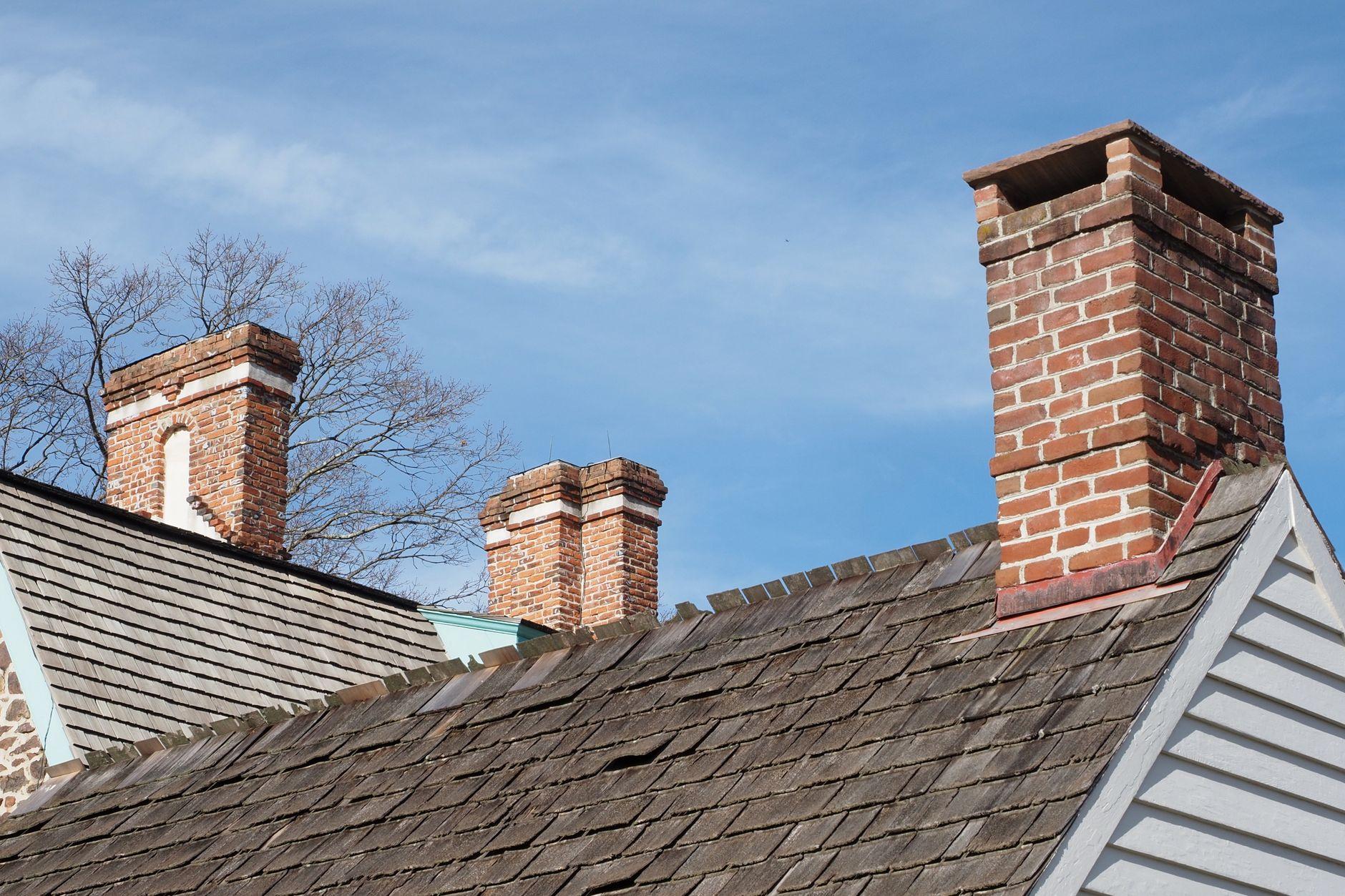
A brick chimney weighs several tons and stands next to a timber frame that can bend. When the ground moves, the frame sways and the stack tries to rock on its own. Below the roof, the house steadies the brick a little. Above the roof, nothing does. That is why the crack in a quake-damaged chimney so often sits a course or two above the shingles, and why the piece that falls is usually the part you can see from the street.
What bracing does
Bracing ties the chimney back to the house, so the exposed top has something to hold it while the ground moves. The hardware varies, but it falls into a few general types:
- flat steel bands that circle the brick and fasten into the joists or rafters beside it
- a steel angle fixed high on the exposed stack and carried down at a slant to the roof framing
- anchors through the brick into the ceiling framing where the chimney passes the attic
Bracing does not make an old chimney quake-proof. It lowers the odds that the top snaps off and comes through the roof. It also only works on brick that is still sound. Steel bolted to loose courses just gives them a heavier way to fall.
What a rebuild does
A rebuild takes the damaged brick away and replaces it. How far down depends on where the brick is still tight, which the inspection settles. The new section can be laid in brick with steel reinforcing tied into the house, or, on some chimneys, framed in timber, finished to match the house, and fitted with a listed metal flue, which weighs far less than the brick it replaces.
A rebuild costs more than bracing, but it removes the damaged part rather than holding it in place. It also brings a fresh crown, cap and flashing, and it is the right moment to fit a new liner if the flue needs one.
How we choose between them
| What the inspection shows | What we usually suggest |
|---|---|
| Stack plumb, joints tight, tiles sound | Steel ties, plus a look at the cap and crown |
| Stack plumb, joints worn, no cracks through the brick | Repointing first, then ties if you want them |
| Cracks right through the brick above the roof, or loose courses | Rebuild of the exposed section |
| A lean, a gap at the wall, or cracks below the roof | A deeper rebuild, scoped from the camera run |
These are starting points. A chimney with sound brick but a badly split flue might get ties and a liner. One with a cracked top and a sound lower half might get a short rebuild with ties on the new section.
What neither one fixes
Neither bracing nor a rebuild above the roof repairs cracked flue tiles lower down, a firebox split by settling, or a footing that has sunk. Those show up on the camera or in the firebox, and they are priced separately. It is one more reason we do not quote structural work from the ground.
What decides the cost and the next step
The deciding facts come from a Level 2 inspection at $395: how sound the brick is above and below the roof, what the flue tiles look like, and whether the stack has moved against the house. With those in hand we can write a quote for ties, a rebuild, or a mix of both, with each part on its own line. The seismic retrofit page and the rebuild page describe each job in more detail.
To get that started, send the address through the form at the top of this page, along with whether the fireplace is still in use and anything you have noticed since the last shake. We call back to arrange the inspection.
Chimneys around Lakewood
Many Lakewood houses went up in the years just after the Second World War, and plenty of them still have the original brick chimney. The same is true across the older streets of Downey and Bell Gardens. These stacks are short compared with those on two-story houses, which works in their favor: less brick above the roof means less to fall and less to rebuild. But short does not mean safe, and a chimney that rode out 1987 and 1994 may have used up some of its margin doing it.
An owner who braces a sound chimney now is buying time and lowering risk. An owner who braces a cracked one is paying for steel that will not hold. That difference is the whole reason the camera comes first.
If you are weighing the cost, Chimney Rebuild Cost in Lakewood walks through how a rebuild quote is built, and Chimney Pulling Away From House covers the case where the stack has already shifted.
When you would like to know which answer fits your own chimney, ask through our contact page.
Want Your Own Chimney Looked At?
Devlin Chimney Solutions checks what has moved and why before pricing any repair, bracing or rebuild, and keeps sound brick in place. Crews work from Lakewood across Downey, Carson, Bell Gardens and the rest of Los Angeles County.