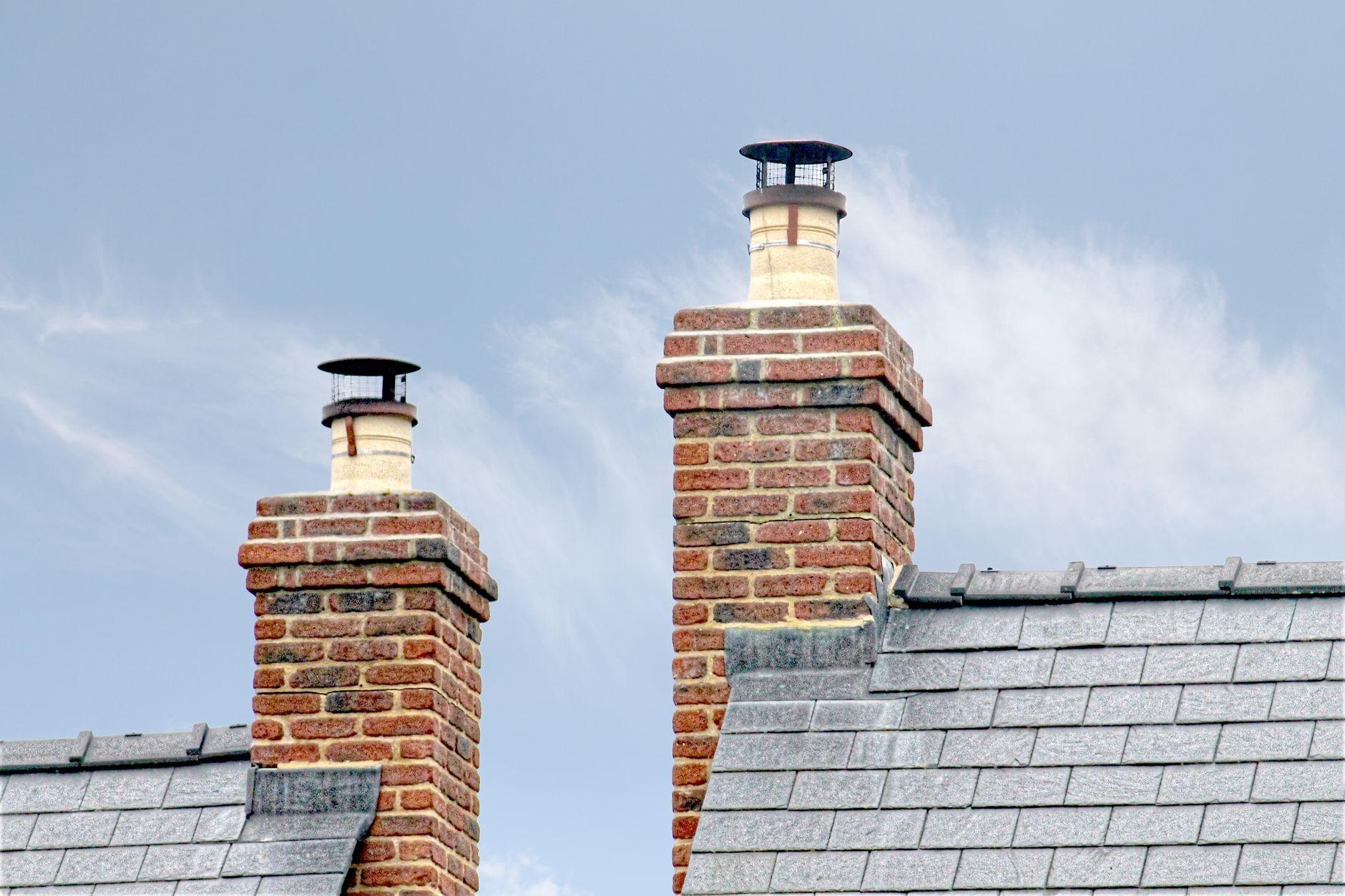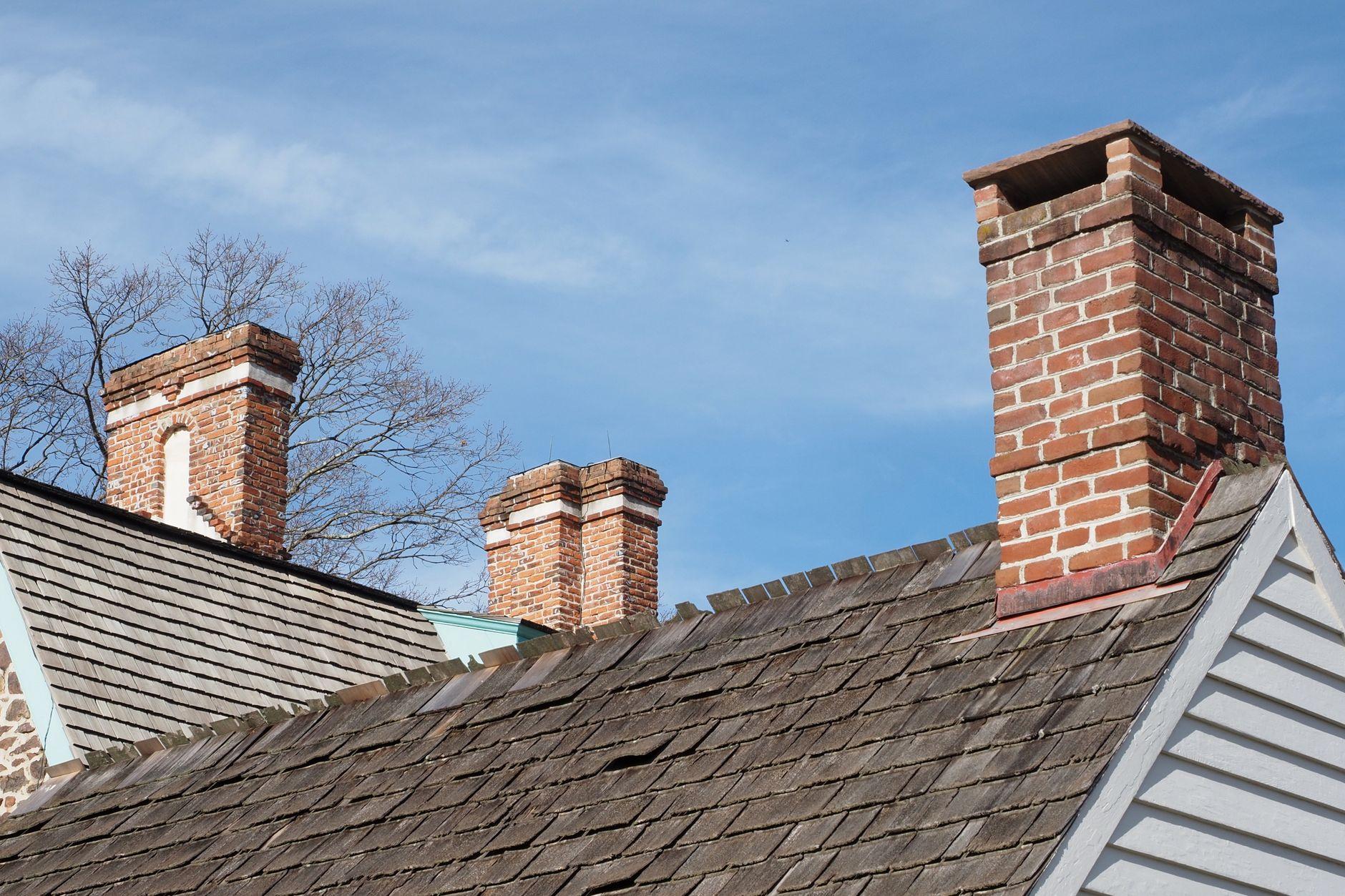
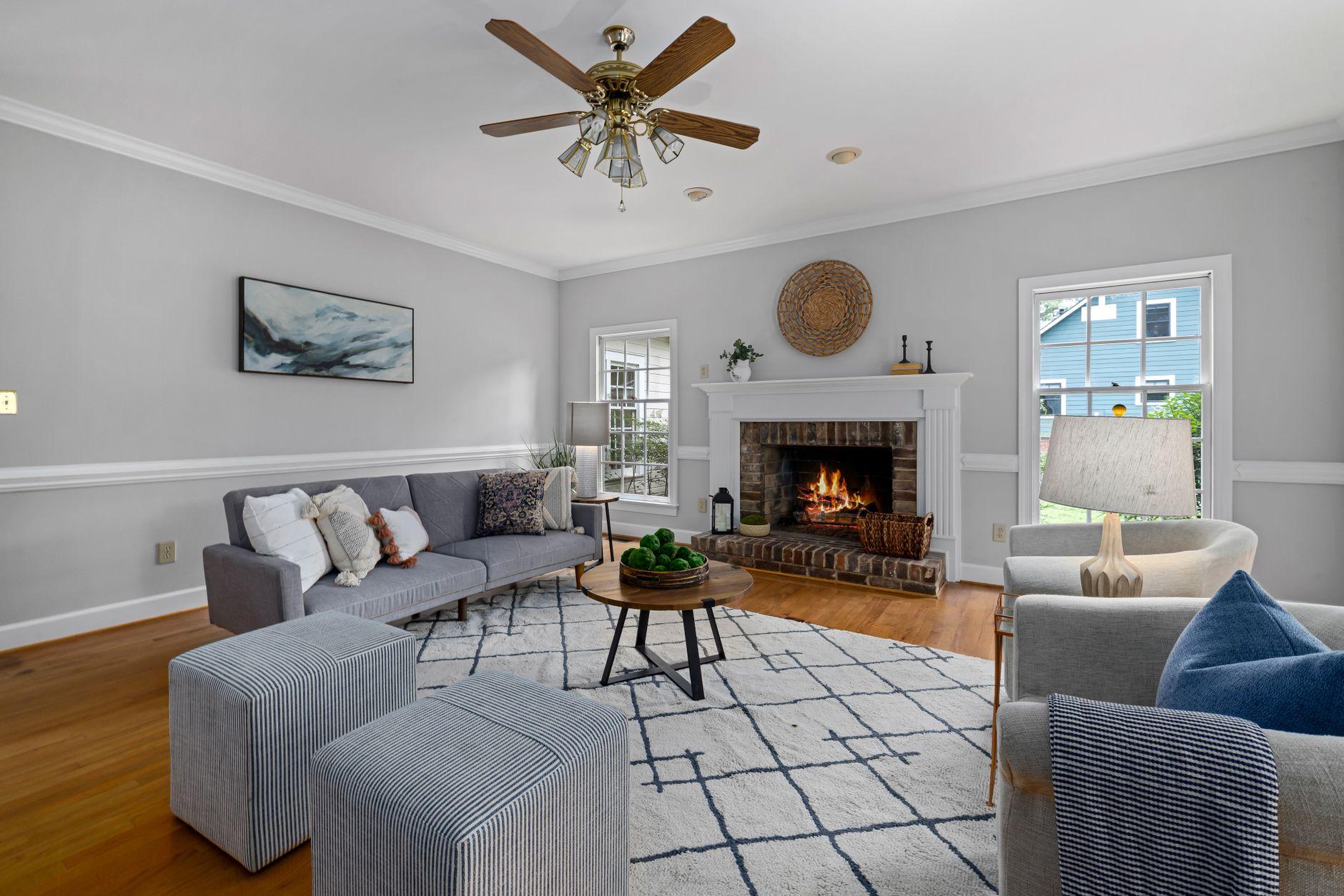
A crack you will never see from the living room
Clay flue tiles are the part of a brick chimney that does the real work. They line the inside of the stack, keep heat away from the brick and the framing, and give smoke a smooth path up. They are also brittle. When a chimney sways in a quake, the brick around them soaks up some of the movement. The tiles cannot. They split, chip at the joints, or slide out of line with each other, and nothing about the fireplace looks any different afterwards.
For a lot of Lakewood houses, the first sign of a broken tile is a Level 2 camera inspection booked for some other reason: a sale, a new insert, or a jolt that sent someone up the ladder to look at the brick.
How tiles break when a stack moves
Each tile is a short clay section, stacked on the one below and joined with mortar. That makes the flue a column of stiff pieces with weak joints. When the stack rocks, the joints open first. A harder jolt can crack a tile from top to bottom or knock one sideways so it no longer meets the tile above. The damage tends to bunch up near the roofline and the ceiling, where the house holds the brick on one side and not the other.
A cracked tile matters because the next fire can send heat through the gap into the brick, and in a bad case to the wood beside the chimney. Gas appliances bring a different problem: their exhaust is wet, and moisture getting through the cracks softens the mortar from the inside.
What the camera report shows
On a Level 2 we run the camera from the smoke chamber to the top and record the whole flue. For tile damage, the report notes:
- the height of each crack or open joint
- whether a tile has shifted, and roughly how far
- whether broken pieces have collected on the smoke shelf
- whether the damage sits in one place or runs all the way up
That last point usually decides the fix. A single damaged tile near the top, on a chimney being partly rebuilt anyway, can sometimes be replaced as the brick goes back up. Damage spread through the flue almost always means a new liner.
The ways to reline
A stainless steel liner is the most common fix. It runs the full height of the flue inside the old tiles, sized to the fireplace or the appliance it serves, and is finished at the top under a new cap. On a wood-burning fireplace it often gets an insulating layer, which helps the draft and keeps heat off the brick.
A poured lining, where a cement-based material is formed inside the old flue, suits some chimneys with odd shapes or worn masonry. It is a bigger job and not the right choice for every stack.
If you would rather stop burning wood altogether, a gas insert closes off the opening with a sealed unit and runs its own liner up the flue. Put into your current firebox, our installed range for that is $2,800 to $5,650.
What sets the price of a reline
There is no flat figure for a liner on our price list, because the jobs differ too much. These are the things that move it:
- how tall the chimney is, and whether the flue has bends in it
- what the liner will serve: an open fireplace, a wood insert, or gas
- whether some of the old tile has to come out so the new liner fits
- whether the throat at the damper is wide enough for the liner
- the state of the brick, since a loose stack is repaired before anything goes inside it
- how easy the roof is to reach and stand on
The camera footage answers most of these, so a liner quote follows a Level 2 inspection at $395 and lists the liner, insulation, cap and any brick work as separate lines.
If a camera has already found cracked tiles in your flue, or you want to find out, use the form at the top of this page. Give us the address, the fuel the fireplace uses today and whether that is about to change, and whether the chimney has had any work since the last strong quake.
Why the brick comes first
A new liner inside a chimney that is still loose at the top is money spent in the wrong order. If the camera and the roof check show cracked brick above the roofline, we repair or rebuild that part first, then line the flue, often at the same booking. The order matters: the liner should outlast the next quake, and it can only do that inside a stack that will too. Our liner installation page covers the job on its own, and Chimney Rebuild Cost in Lakewood covers the brick.
Lakewood flues
Many of the post-war houses in Lakewood, Downey and Carson were built with clay-tiled flues, and those tiles have now been through the 1987 Whittier Narrows quake, the 1994 quake and decades of heat and rain in between. A flue that has never had a camera through it is an unknown, not a failure. The inspection turns it into a known.
Owners sometimes ask whether they can simply stop using the fireplace instead. They can, and for a fireplace nobody lights that is a fair choice. The tiles still matter if the flue also vents a furnace or water heater, and a capped, unused flue still wants a look after a strong shake, because the brick around it is the same brick that might fall. For that question, Bracing vs. Rebuilding a Chimney is the next read.
When you want a liner price for your own chimney, start on our contact page.
Want Your Own Chimney Looked At?
Devlin Chimney Solutions checks what has moved and why before pricing any repair, bracing or rebuild, and keeps sound brick in place. Crews work from Lakewood across Downey, Carson, Bell Gardens and the rest of Los Angeles County.